The evolution of gambling A journey through time
The Origins of Gambling
The history of gambling dates back thousands of years, with some of the earliest evidence found in ancient civilizations. Archaeological discoveries reveal that even the Chinese engaged in various forms of gambling as early as 2300 BC, utilizing rudimentary betting methods on games of chance. Similarly, the Romans embraced gambling, often betting on chariot races and gladiatorial contests, establishing a cultural precedent that influenced future generations. Nowadays, many enthusiasts opt for the neosurf casino, which offers a modern twist on those ancient practices.

As societies evolved, so did the methods and games associated with gambling. The advent of currency provided a more structured way to wager, leading to the creation of early gambling houses. These establishments became social hubs where individuals gathered not only to place bets but also to enjoy camaraderie and entertainment, setting the stage for modern gambling practices.
The Rise of Organized Gambling
By the Middle Ages, gambling had become more organized, with the establishment of official gaming houses and lotteries. In Europe, royal patronage often supported these ventures, making them respectable forms of entertainment. The popularity of card games also surged during this period, giving rise to numerous variants that are still played today.
The introduction of regulated betting laws in the 16th century further legitimized gambling. Governments began to recognize the potential revenue from taxes on gambling activities. This not only enabled the establishment of official casinos but also spurred innovation in game design and betting strategies, paving the way for the highly sophisticated gaming environment we know today.
The Birth of Modern Casinos
The 18th and 19th centuries marked a significant transformation in the gambling landscape with the birth of modern casinos. The first official casino, the Casino di Venezia in Italy, opened its doors in 1638, establishing a model that would be replicated worldwide. By the time of the American Gold Rush, gambling houses sprang up across the United States, particularly in areas like Nevada, where Las Vegas would eventually rise as a gambling capital.
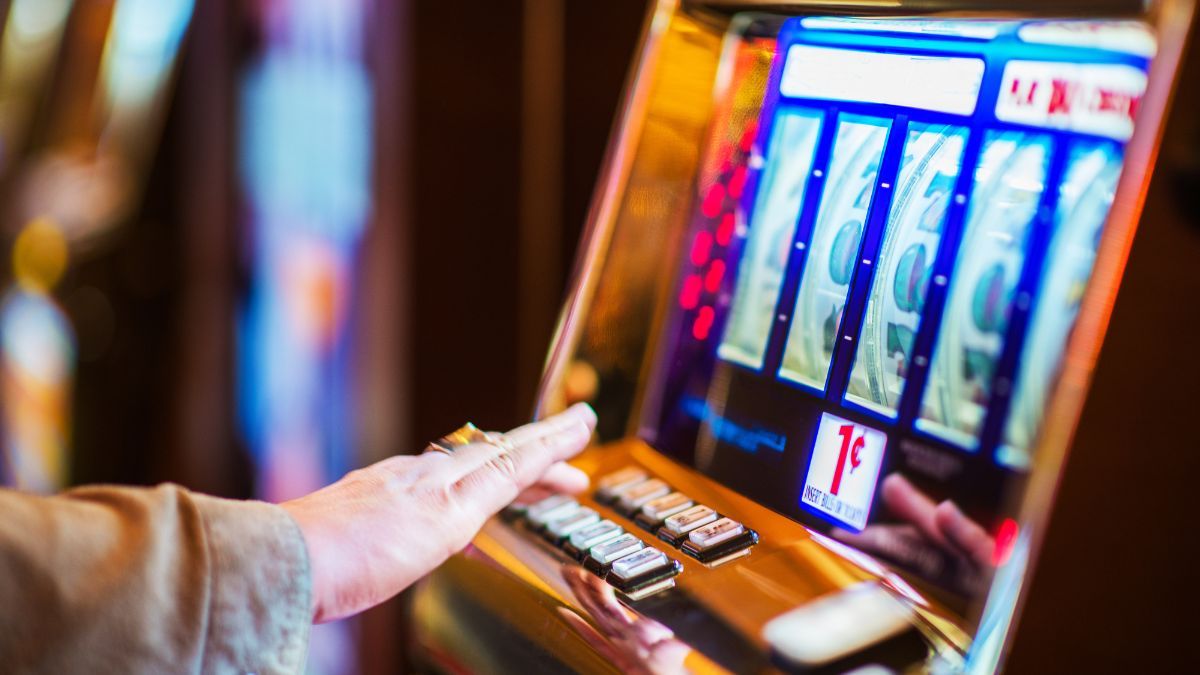
These establishments offered a variety of games, from classic card games to innovative slots. The ambiance of casinos changed dramatically, evolving from simple betting houses to lavish venues, complete with entertainment, fine dining, and luxurious accommodations, all designed to enhance the gambling experience.
The Digital Revolution in Gambling
The advent of the internet in the late 20th century revolutionized gambling once again. Online casinos emerged, allowing players to place bets from the comfort of their homes. This digital transformation expanded access to gambling, attracting a new generation of players who favored convenience and anonymity.
Furthermore, the introduction of mobile gaming has taken online gambling to another level. Players can now enjoy a wide range of games on their smartphones and tablets, making it easier than ever to gamble on the go. The integration of advanced technology, such as live dealer games and virtual reality experiences, continues to reshape the gambling industry, keeping it fresh and engaging for users.
Explore the Future of Gambling
As we look ahead, the future of gambling promises to be as dynamic as its past. New technologies, including blockchain and artificial intelligence, are set to transform the landscape further. These innovations aim to enhance security, improve user experience, and provide greater transparency in gambling transactions.
For those interested in exploring the world of online gambling, discovering reputable platforms is essential. Numerous websites provide comprehensive guides to online casinos, showcasing features such as secure payment options and a wide selection of games tailored for various players. Staying informed can enhance your gaming journey and promote responsible gambling practices.